
We have a large number of members having joined in the last year or so. In fact, we’ve had eleven first-time hares on our Hareline in just the last year. Because of this, some of our newer members have requested some guidance on haring in the form of, well, this page.
What Are The Essentials Of Haring?
Fortunately for hares, the CAH3 already takes care of beer, snacks, paper, signs and all needed materials. You just have to find a location, lay the trail and arrange the On After.
If you have any questions during, or after reading this, email us at chaamhash@gmail.com – we’re here to chat.
The key thing to recall is that it’s all one event – the trail, the circle and the On After. Not everyone does every part of it, but the hash is at its best when more people enjoy all three 👍
How It Started
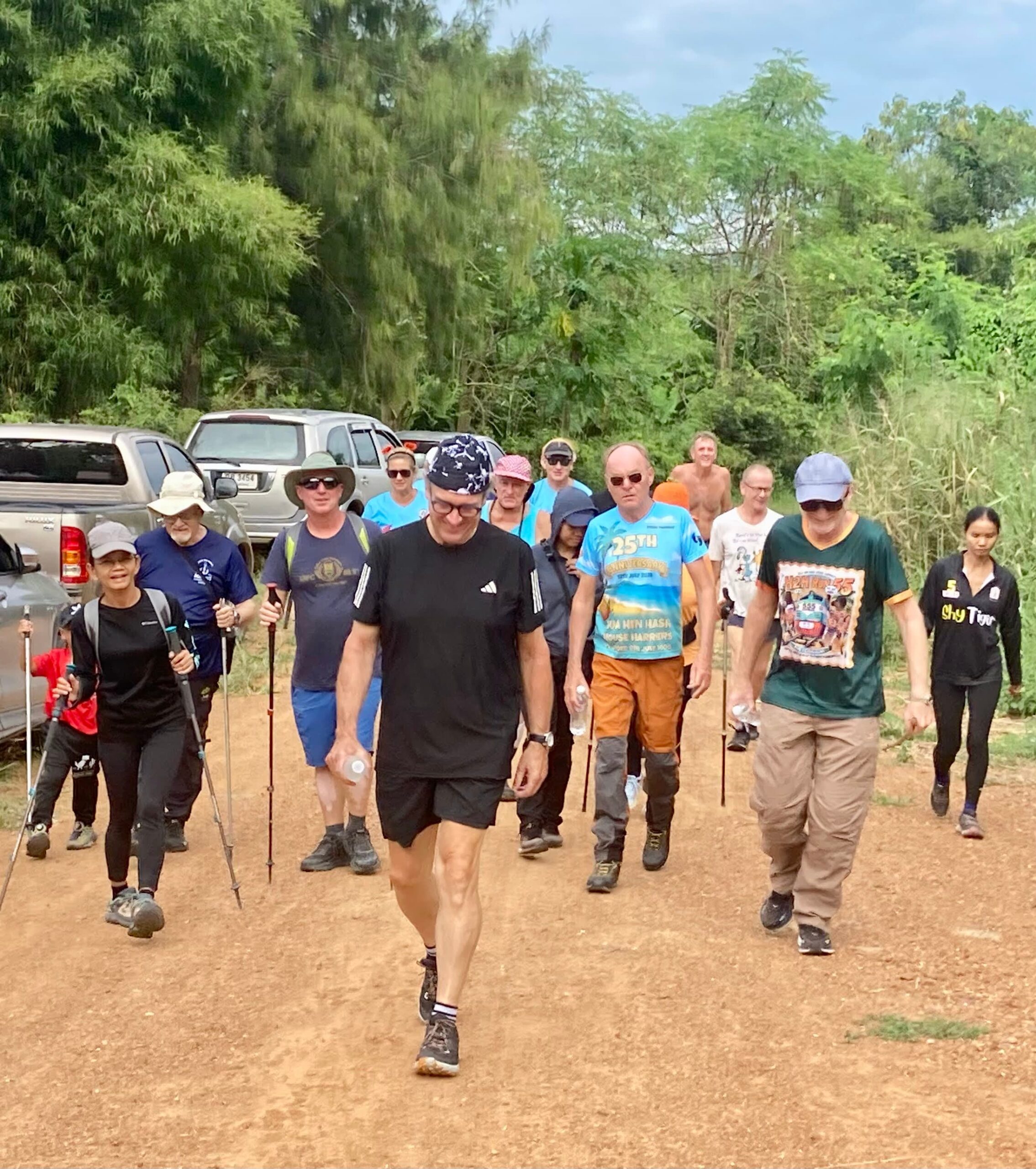
You’ve probably heard things like “checks exist to keep the pack together” and other oft-repeated hash wisdom, but if you think back to the origins of the hash a lot of things make more sense.
The physical trail event comes from the English children’s game Hares & Hounds, where a hare takes off running and after some time a pack of hounds chases after them.
If you imagine yourself running from a pack, or if you have live-hared trails, then you can see why checks came into being as a way to misdirect the pack and buy time for the hare to escape.
As well, in the live-haring tradition, catching the hare is basically like scoring a goal – this is why the hare is never seen on the trail.
As many hashes have evolved to “pre-laying” or “dead haring” trails, things like checks obtained because they’re fun, they break up the trail, and so on.
The Trail
Co-hare with someone!
Most trails are set by a team of two hares. If this is your first time setting a trail, feel free to ask if there’s an experienced co-hare available to hare with you. We’ll always find someone.
Choose an interesting area for your trail.
This could be an entire page, but for a typical trail you’re looking for an area that will support an hour’s worth of both running and walking from A-Site to A-Site by the two packs, without them colliding. A to B runs are fine as well, but require transport, so if this is your first trail then probably tackle that later.
Look for visually interesting areas with changes of scenery, and areas that allow you to limit visibility – you don’t want the packs to be able to see what happens very far ahead of them. Interesting features like temples, mountain shrines, scenic overlooks, reservoirs, rivers, waterfalls, wooden bridges and other notable elements, while not required, make the trail more memorable.
Try to avoid paved surfaces and development to the extent humanly possible, and try to choose areas where the pack is never running for more than a few hundred meters (maximum) in straight lines.
These are not rules, and we have all set runs that go down a road or in a straight line or through housing development construction because we had to for the rest of the trail to connect, but aim high and compromise when absolutely necessary. We are a traditional Southeast Asian Saturday hash, not an urban hash or a weeknight hash, so the goal is to get out into the green as much as possible.
Finally, remember that as a traditional Saturday hash this is not a trail walk or a fun run. Mystery and adventure out in nature is the differentiator. Hashers are supposed to be lost out in the bush and then work their way out of it, so choose an area where you can keep things interesting.
Two trails are required – one for runners, one for walkers.
We always set a minimum of two trails. One shorter, less aggressive trail for walkers and one longer, more aggressive trail for runners. A common way to handle this in practice is to create a walkers “loop” by cutting across from one side of the runners trail to the other.
You may also set other trails, such as a “RAMBO” trail, called a ballbreaker in many hashes, but the basic walker and runner trails are required.
RAMBO, or ballbreaker trails are just a longer, harder extension of the runners trail, and are typically reserved for situations where the hare wants to set some really challenging terrain or distance, but wants to give the casual runners an out. For example, if you’re planning to set 10k or more base trail (I.e. without checks, etc), make it a RAMBO.
How long is a trail? One hour? 7km? Depends…
Generally speaking, a typical runners trail is about 7km, while a typical walkers trail would be about 5km.
However, the goal in an average hash is to have most of the pack in by about an hour to an hour and fifteen minutes, which means if you’re going up and down a mountain you might consider lowering the distance to adjust. If the area is very runnable, you can extend your distance.
A good rule of thumb is that it takes a pack of normal runners about half the time to run a typical trail than it does for a hare to walk it. It’s not exact, but it is a time-tested metric.
Mark trails diligently, on the right.
Paper is a must during rainy season, and the norm anytime. Flour is fine during dry season. Your choice. Chalk is acceptable on the rare occasion we’re on surface. Plastic ties (buy at hardware stores, Mr. DIY) can be supplementary markings. The local hash community prefers marks to be set on the right side.
If you need a template to start from, here are some suggestions:
- You don’t need huge blobs of paper or flour unless you really need to draw attention, smaller marks work fine in most cases.
- Start with one mark every 15 steps.
- Slowly extend that by 5 steps at a time on long channeled parts of the trail.
- Never go more than 40 steps between marks. 50 on the absolute outside. Remember, 100m is a check – half a check between marks is a bad idea, always. You might think, “Well they know it goes that way.” on a long stretch, but actually they do not know it goes that way – and you’re destroying their confidence in your marks.
- Curtail to one mark every 5 steps in thicker shiggy.
- In extremely dense shiggy, like tall grass or thatchy mountain trails, string markings continuously and visibly.
- Marking corners and turns:
- For right-hand turns, try one mark just before the corner, one mark exactly at the corner and one mark after the corner.
- For left-hand turns, start your marks from the right-hand side of the trail, cross the trail and then follow the before, on, after method. Because this hash community (unusually) marks all trails on the right, the packs often miss left turns.
- For situations where you’re meandering in different directions continuously, drop markings continuously.
- When in doubt, mark more, not less. Good marking during the trail builds trust with the pack, which you’ll need at checks and false trails.
An appropriate number of checks are required.
- Checks are two sticks placed over a small pile of paper or flour (used to break the check). The next trail markings must be within 100m, any direction.
- ([distance]-[1 or 2]) is a good guideline, so 5-6 checks on a 7km trail, 3-4 on a 5km, etc – you can adjust lower or higher based on the difficulty of your terrain, but don’t set 7km trails with only 1-2 checks.
- If you plan to do an all-false-trail run or something creative, no worries, just chat with us – but do something, not nothing.
False trails are optional, but very common here.
False trails are dead ends usually marked by an FT on a small sign, or sometimes an F in flour on the ground. After turning around and going back up the trail, the pack should find paper somewhere behind them within 300 meters.
Mark merges and splits between trails.
While there are other ways to handle this, the cleanest way as a new hare is to have a sign at every split indicating which pack goes which way – then another sign at every merge noting that the trails have merged.
Use local marking styles for checks & false trails.
Many of us started hashing elsewhere, and hashes differ in how they mark trails.
If you have some other, separate new mark different from a check or a false trail that you would like to use, chat with us, but please use local standard markings for checks and false trails – two sticks over flour or paper for checks, a written FT or F for false trails.
Sweep if you want, but don’t run with the pack.
Sweeping is an accepted practice, where hare(s) walk a good distance behind the slowest member of the pack to ensure no one gets lost. It’s also accepted for the hare to be at a beer stop or beer check.
However, the hare should never otherwise be moving near, with or in front of the pack during the trail, unless the entire pack has gotten lost (it does happen!) and needs sweeping. In other words, the hare should never be seen on the trail except at beer stops or when something has gone tragically wrong.
Take your kids to school, drop them off. Don’t hover.
Anything else? A few pointers from experience.
- If you’re setting a trail immediately on the East side of North-South mountains, remember that the sun sets on the other side of the mountains and therefore dusk starts up to 30 minutes earlier. Time things accordingly.
- Keep markings on the ground in off-road terrain, generally speaking. People are looking down when they run to avoid obstacles. Marks placed up in trees and the like are easier to miss in rough terrain.
- If your trail involves running on the beach or through tidal estuaries or mangrove forests, check the tides – Gemini and ChatGPT are pretty good about tide responses for dates/times.
- If you’re planning to set your trail around a temple area and, on the run day, you notice a lot of people in black clothing, or you see round tables being set up, give it a wide berth – it’s often a funeral or ordination.
- You’re free to get creative and do beer stops, use transportation or anything else as long as it fits within, or adds to a traditional hash.
- As a CAH3 hare, you can set your own start time, go out as far as you like, and the hash will support you – just remember that factors like early starts and distance bring down attendance. Make it worth it.
- It’s a good idea to go to other hashes in the week leading up to your trail and make sure you announce and promote it in the circle.
- Google My Maps – LINK – (not regular Google Maps) is a good lightweight way to track and look at your recons and to plot trails, checks and more.
The Circle & Carpark
The best practice is to run from the restaurant, because more people stay for the On After – but it can be difficult to pair trail areas with serviceable restaurants, so the alternative is to find, or create a carpark.
It’s fine if people have to park along the side of a road in a long line without obstructing traffic, but of course an actual carpark is preferable when possible. Assume 10-20 cars during low season and 15-25 during high season.
Make sure to leave enough room for a circle of 25-35 during low season and 35-60 during high season – ideally not in a roadway that requires the circle to stop and move for traffic constantly – or near a roadway or anything loud that makes it difficult to hear.
The On After
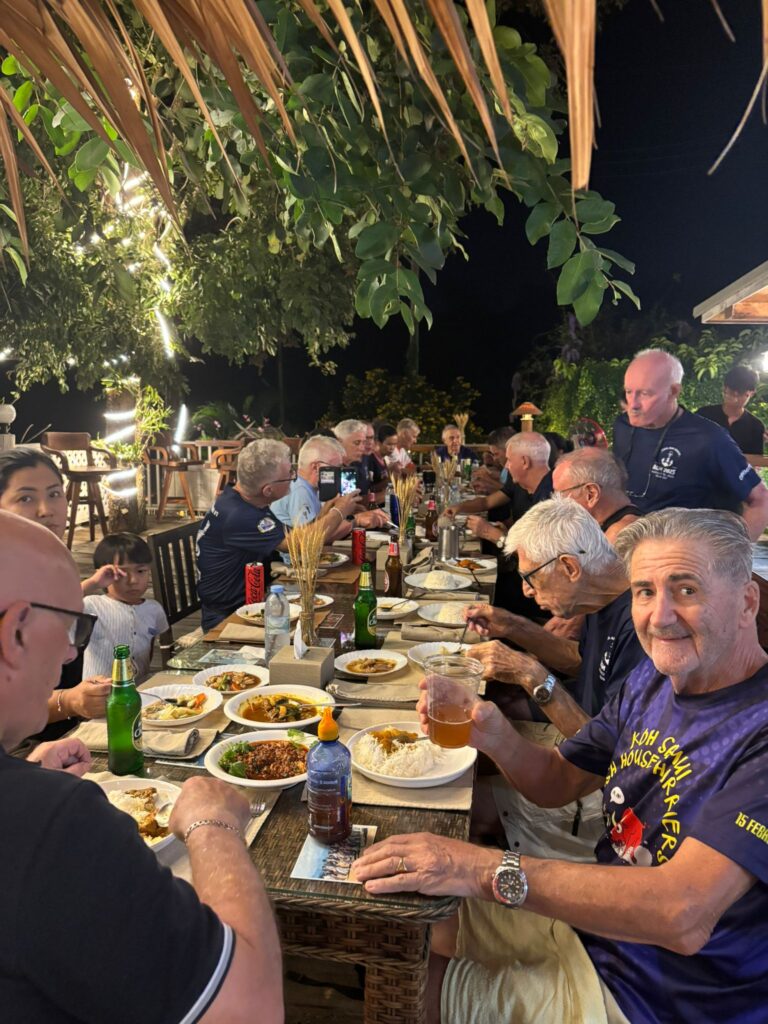
Borrowing from the top of the page, the hash is all three events – Trail, Circle, On After – and it works best the more people who enjoy all three.
When picking a restaurant, focus on a mix of quality and proximity, followed by service. The closer the restaurant the more people will go, but the second you let people get in their cars you’re going to lose some – and you lose more with every kilometer. This is why setting from the restaurant is optimal, though not always possible here.
Next is the service style. All but the largest local restaurants are not designed to handle 20, 30 or 40 (or more) individual tickets hitting the kitchen all at once – people in Thailand go to eat in families or groups, they order in groups and the kitchen cooks in groups. Going against the grain on this is usually why food is “slow” or never arrives.
A LA CARTE: The easiest option for hares is to let people show up and order individually. This way everyone is responsible for their own ticket, everyone gets exactly what they want, and the hare doesn’t have to do any planning or work concerning the meal. Downsides here are slow service and hashers never receiving their meals. Mitigate this by asking people to order ahead of time.
GROUP MEAL: The more difficult option for hares is to arrange the dinner with a restaurant and charge a flat rate to each hasher who eats, but it’s not that difficult. Most all Thai kitchens routinely cook and serve food in sets that serve 4-5 people, and can usually scale to meet demand as long as they have a ballpark idea.
ESTIMATING NUMBERS: Demand planning is related to how far out your hash is, what season it is, and then distance from the run to the On After, usually. Take a count before the run starts. If you run from the restaurant, most people will stay most of the time, and you can tell the restaurant reliably after taking a count. The further away your On After is from the run, the more people will not-attend, and the more your numbers will be off due to people changing their minds on the way to your On After.
THE BEER, FAST: Regardless of which of the above you choose, the biggest issue is always getting the beer and ice and glasses on the table quickly.
A best practice here is to tell the restaurant that you want one bucket of ice for every 5 people, and to place glasses out ahead of time, or within reach as people seat themselves.
Finally, ask them to make sure they have at least two cases already cold, and to place an assortment of large Chang and Leo (MyBeer, Carabao, etc, if available) in the large plastic bottle trays used for soda water – let hashers take their own as they sit, staff can mark it down.
NIGHT MARKET OPTION: There is also the night market option, which works quite well as an a la carte option if you can locate one that has a good mix of food and drinks.
Next Run👇 – And Past Runs, With Photos & More
-
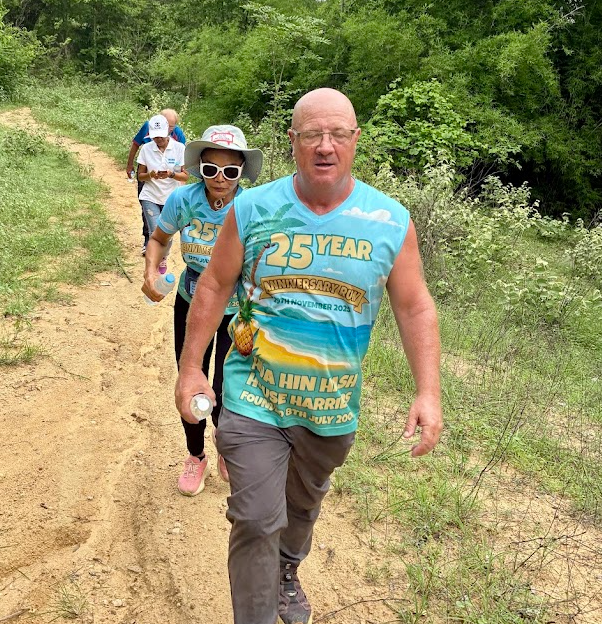
Run 542: Toy Boy & Cougar
Toy Boy & Cougar will be haring run 542, which promises to be an excellent showing from one of our… Read More
-
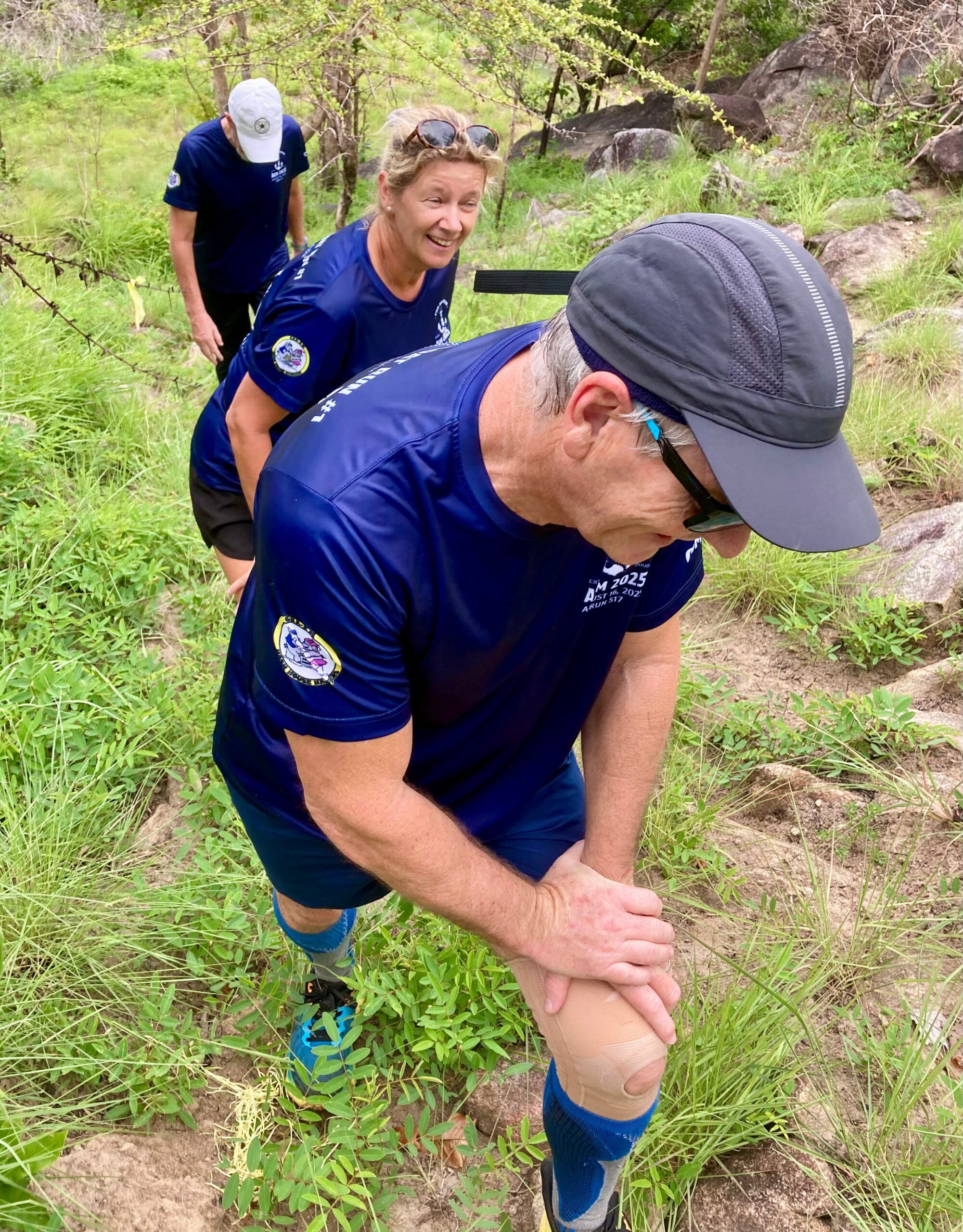
Run 541: Bangs My Sister & Brother Lover
Bangs My Sister & Brother Lover take the hash to the lovely environs west of the Sam Phan Nam Spillway… Read More
-

Run 540: Majestic Ballcock & HTT
Rubber Duck and Paddy Redbelly are taking the hash for a walk on their dog trails near Black Mountain, stay… Read More
-
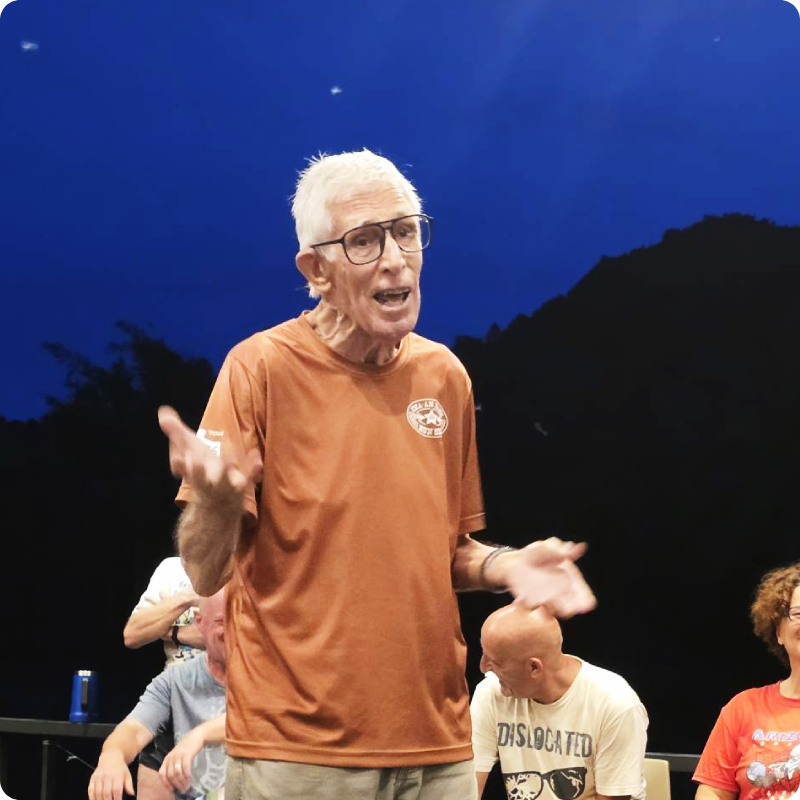
Run 539: Cathusalem’s 88th On Soi 88
Cathusalem’s 88th Birthday Hash – where else but Soi 88? Read More
STILL NOT SURE IF THE HASH IS FOR YOU?











It’s Not In Cha-am!
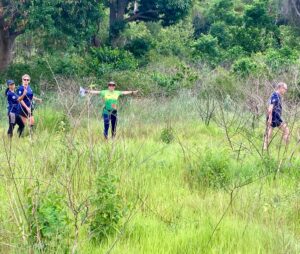
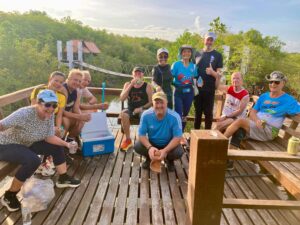
First off, while we do run near town very, very occasionally for specific events, most of our runs are out in the green around Hua Hin, not Cha-am. Sometimes we run in or around Cha-am, but our hash, while founded in Cha-am, is basically The Other Hua Hin Hash these days.
All of our runs since the last AGM (the annual event where we bring on a new committee) are to the left. We’ve run all round there, further out, and everywhere in between since 2005.
Is Our Hash For You?
Every hash is different. Some are raunchy. Some are extremely athletic. Some walk from bar to bar. Some are “stroller and pet friendly.” We strike a balance. No pets in strollers, though.
We try to keep it funny, but not brutally offensive. The trails are legit, we don’t pull punches on runners, but we’re not trying to kill you either. We don’t drink before, or during the run, but we definitely do after. We have 5 year-olds & 90 year-olds, Thai & foreign members, men & women, athletes & folks who come for a stroll. Soon we’ll have you, we hope!

Something like this might look fun, but maybe you’re thinking, “Man will I fit in?” To shortcut, unless you’re a dick or you’re so weird that other weird people notice, you’ll be fine.
Or “How will I get there? I don’t drive.” We’ll work with you on that, just email us at chaamhash@gmail.com, we help people all the time.
What about, “Do I have to join?” No, there is no real joining. At some point we’ll give you a nickname, and start treating you like a regular, but that’s not much different than your local pub, is it?
“What if I don’t like it?” You thought that about broccoli once, and look at you now – wait, possibly bad analogy.
“Do I have to RSVP or register?” Not at all. Turn up, don’t turn up. Stay for the circle and dinner, or don’t. Entirely up to you. We don’t have a lot of rules, just be friendly and come have fun – and if there’s anything else we can answer, you can always reach us at chaamhash@gmail.com.
On On!